
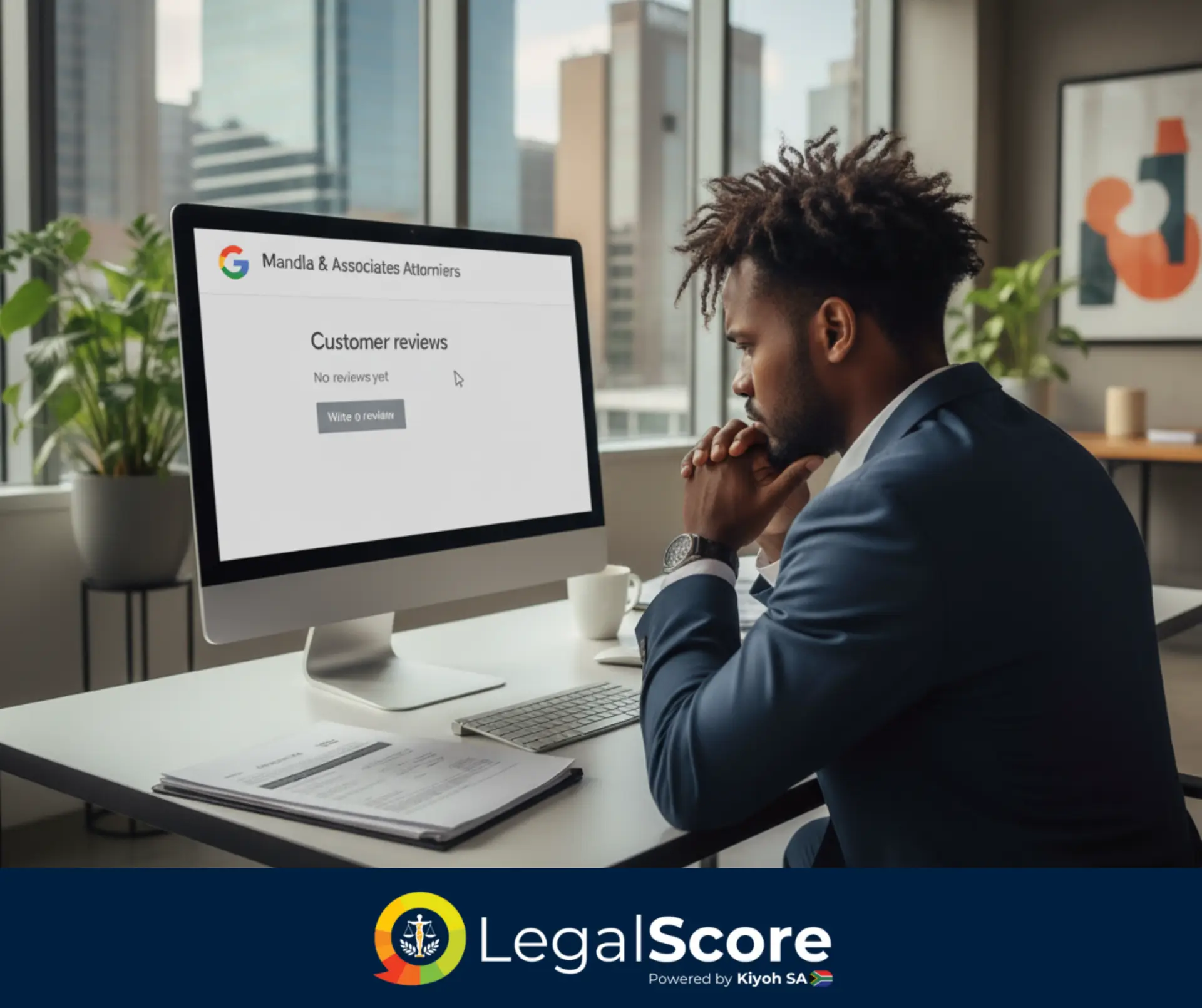
Your Reputation Lives Online Now
In the legal world, your reputation isn’t built inside the courtroom anymore. It’s built online, where everyone can see it.
Clients may never watch you argue a case or review your legal documents. But they will absolutely read your reviews. They will check your Google profile. They will see what other people say about your firm.
Even the most skilled attorneys lose potential clients when their online reputation isn’t managed properly. One small digital mistake can cost your firm dearly. A poor response to feedback, a fake review left unchallenged, or having no reviews at all can damage your credibility and push clients toward your competitors.
This guide shows you the top five reputation mistakes law firms make. More importantly, it explains how to fix them using verified, transparent reviews through LegalScore, the ethical and effective way to manage your firm’s online presence.
1. Ignoring Online Reviews Completely
Many law firms believe that “no news is good news.” They think if they don’t pay attention to reviews, everything will be fine.
This is a dangerous mistake. In today’s digital world, silence online doesn’t mean you’re safe. It means you’re invisible.
When potential clients search for your firm and find no reviews, they make quick assumptions. They think your practice is either brand new, not very active, or hasn’t helped many people. None of these assumptions help you win new cases.
The Fix:
Claim your LegalScore profile today and start inviting verified client reviews after each matter concludes. Every single review you collect adds social proof. It shows potential clients that you’re active, trusted, and experienced.
Even just a few honest, balanced reviews perform better than a perfect but completely empty Google listing. People trust firms that have real feedback from real clients. They skip over firms with nothing to show.
2. Using Generic Review Platforms
Some firms rely on open review platforms where anyone can leave feedback. These sites may seem convenient, but they come with serious risks.
Generic platforms attract spam, fake reviews, and misleading claims. Anyone with an internet connection can post whatever they want, whether it’s true or not. Competitors, bots, and unhappy people who were never your clients can damage your reputation without you knowing.
Worse yet, these platforms can violate legal ethics rules. If reviews are edited, fabricated, or incentivized, your firm could face serious professional consequences.
The Fix:
Use verified legal platforms like LegalScore, where each review is connected to a genuine client relationship. This ensures every piece of feedback is authentic and protects your firm from reputational damage caused by false or manipulated content.
Verified reviews carry more weight. Google trusts them more. Potential clients trust them more. And they keep your firm safe from dishonest attacks.
3. Collecting Reviews Without Proper Consent
Some law firms ask clients for reviews informally. They send a quick email or text message asking for feedback. This might seem harmless, but it creates serious legal risk.
South Africa’s POPIA (Protection of Personal Information Act) and international laws like GDPR require explicit consent before personal data or feedback is shared publicly. If you collect reviews without proper consent, you could be breaking the law, even if you meant well.
The Fix:
LegalScore automates this entire process safely and legally. Clients provide clear consent before submitting reviews. This ensures their data is protected and your firm remains fully compliant.
No private information is published without approval. All records are securely stored under South African and international data protection laws.
Compliance isn’t just about avoiding trouble. It builds confidence. It shows clients you respect their privacy and take ethical practice standards seriously. When clients see you handle their information responsibly, they trust you even more.
4. Responding Defensively to Negative Feedback
Negative reviews happen. They’re uncomfortable, but they don’t destroy your credibility by themselves.
What does destroy credibility? Responding defensively.
Some firms react emotionally when they see negative feedback. They argue with clients online. They try to prove the client wrong. They get defensive and angry.
This approach backfires every single time. Potential clients read these exchanges and see a firm that can’t handle criticism professionally. It makes them nervous about working with you.
The Fix:
Acknowledge the concern calmly and briefly. Never reveal case details or client names in your response. Express genuine willingness to resolve the issue privately, offline.
Here’s an example of a good response:
“Thank you for your feedback. We take all client experiences seriously and would appreciate the opportunity to discuss this privately.”
This response shows professionalism, accountability, and respect. It doesn’t argue. It doesn’t blame. It simply offers to help.
LegalScore’s dashboard helps you manage and respond to feedback strategically, not emotionally. You can craft thoughtful responses that protect your reputation while showing potential clients you care about service quality.
5. Over-Relying on Google Alone
Google Reviews are valuable. There’s no question about that. But relying only on Google is a mistake.
Anyone with an email address can post a review, whether they were actually your client or not. This makes it easy for competitors, bots, or random trolls to manipulate your ratings and damage your credibility without any real cause.
You have very little control over what appears on Google, and removing fake reviews can be slow and frustrating.
The Fix:
Diversify your reputation presence. Don’t put all your eggs in one basket.
Use LegalScore for verified reviews. Display these reviews on your own website. Share positive feedback across LinkedIn and other professional platforms where your potential clients spend time.
A well-rounded reputation strategy blends verified reviews, social proof, and consistent engagement across multiple channels. This protects you from manipulation and gives potential clients a complete, trustworthy picture of your firm.
How LegalScore Helps You Fix These Mistakes
LegalScore was built specifically for the South African legal industry. It exists to solve exactly these problems.
Here’s how LegalScore helps your firm:
- Collect verified, compliant client reviews automatically – No manual work required
- Protect client and firm data under POPIA and GDPR – Stay legally compliant always
- Display transparent reviews that enhance trust – Show potential clients real proof
- Improve Google and local SEO rankings with verified feedback – Get found more easily
- Respond to reviews professionally from one central dashboard – Manage everything in one place
It’s the ethical, compliant, and efficient way to manage your firm’s reputation without cutting corners or taking risks.
Common Reputation Misconceptions
Let’s clear up some myths that stop law firms from managing their reputation properly:
“Only big firms need reviews.”
False. Small firms actually gain more trust when they have verified reviews. Clients expect big firms to have reviews. But when a smaller practice has strong verified feedback, it levels the playing field and builds confidence quickly.
“Asking for reviews feels unethical.”
Not if it’s done transparently with proper consent. There’s nothing wrong with inviting satisfied clients to share their experience. In fact, most clients are happy to help if you simply ask respectfully.
“Clients only leave reviews when they’re angry.”
This is only true if you never encourage satisfied clients to share feedback. When you actively invite reviews from happy clients, you get balanced, thoughtful, positive responses.
“One bad review ruins everything.”
Not if it’s balanced by verified, authentic positive reviews. Most potential clients understand that no firm is perfect. They read the full picture and make informed decisions.
Reputation management is proactive, not reactive. The firms that win are the ones that build trust before problems appear.
FAQs
How many reviews should a law firm aim for?
Aim for consistency, not volume. Two to three verified reviews each month signal active client engagement. This steady flow shows Google and potential clients that your firm is busy, trusted, and reliable.
Can LegalScore integrate with my website?
Yes. You can embed your verified reviews directly on your website. This boosts trust and improves SEO impact at the same time.
Are LegalScore reviews public?
Yes, but only after clients provide explicit consent. Their personal details are always protected. Nothing gets published without permission.
Can my firm respond to reviews on LegalScore?
Yes. You can reply professionally to every review. This demonstrates accountability and shows potential clients you care about service quality.
What if I already have Google Reviews?
Keep them. They still matter. But use LegalScore to build additional verified credibility and strengthen your compliance. The two platforms work together, not against each other.
Conclusion
Your reputation is the foundation of client trust. And client trust drives new instructions.
Ignoring your online reputation leaves your firm vulnerable. Managing it strategically turns reviews into lasting credibility that grows stronger over time.
With LegalScore, South African law firms can manage reputation ethically, collect verified reviews securely, and convert transparency into new client relationships.
When your reputation works for you, your marketing costs drop and your firm’s credibility compounds. Every review makes the next one easier to get. Every satisfied client becomes proof that others can trust you too.
Don’t leave your reputation to chance. Build it intentionally. Protect it carefully. And watch your practice grow with confidence.